



When it comes to the performance of SAE100R1AT in a high - radiation environment, as a supplier of SAE100R1AT, I've had the opportunity to delve deeply into this topic. In various industrial applications, especially those in nuclear power plants, aerospace, and certain research facilities, high - radiation environments are a reality. Understanding how our SAE100R1AT hose copes with such challenges is not only a matter of technical curiosity but also crucial for ensuring the safety and efficiency of our clients' operations.
Structure and Composition of SAE100R1AT
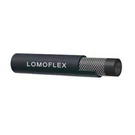
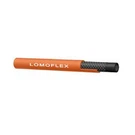
Before analyzing its performance in high - radiation environments, let's first understand the basic structure of SAE100R1AT. This hydraulic hose is composed of an inner tube, a reinforcement layer, and an outer cover. The inner tube is typically made of oil - resistant synthetic rubber, which is designed to convey hydraulic fluids effectively. The reinforcement layer, usually a single braid of high - tensile steel wire, provides the necessary strength and pressure resistance. And the outer cover, made of weather - resistant and abrasion - resistant rubber, protects the internal components from external damage.
Effects of Radiation on Materials
Radiation can have several detrimental effects on the materials that make up SAE100R1AT. High - energy radiation, such as gamma rays and neutron radiation, can break chemical bonds in the rubber materials. In the inner tube, this can lead to a loss of its oil - resistant properties. As the chemical bonds are disrupted, the rubber may become more permeable to the hydraulic fluid, causing leaks and reducing the overall efficiency of the hydraulic system.
The outer cover is also at risk. Radiation can cause the rubber to harden and become brittle. This brittleness makes the outer cover more prone to cracking and abrasion. Once the outer cover is damaged, the inner components are exposed to the external environment, increasing the risk of corrosion and further damage to the hose.
The steel wire reinforcement layer is not immune either. Although steel is generally more resistant to radiation compared to rubber, long - term exposure to high - radiation levels can still cause changes in its mechanical properties. Radiation can induce radiation - induced embrittlement, reducing the ductility and toughness of the steel wire. This may lead to the wire breaking under stress, which severely compromises the pressure - bearing capacity of the hose.
Performance Analysis in High - Radiation Environments
In high - radiation environments, the performance of SAE100R1AT is a complex interplay of these material degradation factors. In the short term, the hose may still function relatively normally, but as the exposure time increases, the effects become more pronounced.
One of the first signs of degradation is often a change in the flexibility of the hose. The hardening of the outer cover and inner tube rubber makes the hose stiffer, which can be a problem in applications where the hose needs to bend and flex. This reduced flexibility can also lead to increased stress at the joints, potentially causing premature failure at the connection points.
The pressure - holding ability of the hose is also affected. As the steel wire reinforcement weakens and the rubber components become more permeable, the hose may not be able to withstand the same level of pressure as it could before radiation exposure. This can result in pressure drops in the hydraulic system, leading to decreased performance of hydraulic equipment.

In terms of leakage, as the inner tube loses its oil - resistance and the outer cover cracks, hydraulic fluid can start to leak out. This not only poses a risk to the environment but also to the safety of the workers in the vicinity. Leaking hydraulic fluid can be slippery, and in some cases, it may be flammable, creating a potential fire hazard.
Mitigation Strategies
As a supplier, we are well - aware of these challenges and have developed several mitigation strategies to enhance the performance of SAE100R1AT in high - radiation environments. One approach is to use radiation - resistant rubber compounds for the inner tube and outer cover. These compounds are formulated to have a higher resistance to radiation - induced bond breakage, which helps to maintain the integrity of the rubber components for a longer period.
We also offer additional protective coatings for the outer cover. These coatings can act as a barrier, reducing the amount of radiation that reaches the underlying rubber. Some of these coatings are also designed to be self - healing to a certain extent, which can repair minor cracks caused by radiation exposure.
For the steel wire reinforcement layer, we can use higher - quality steels with improved radiation resistance. These steels are heat - treated and alloyed in a way that makes them more resistant to radiation - induced embrittlement, ensuring the long - term mechanical strength of the hose.
Comparison with Other Hydraulic Hoses
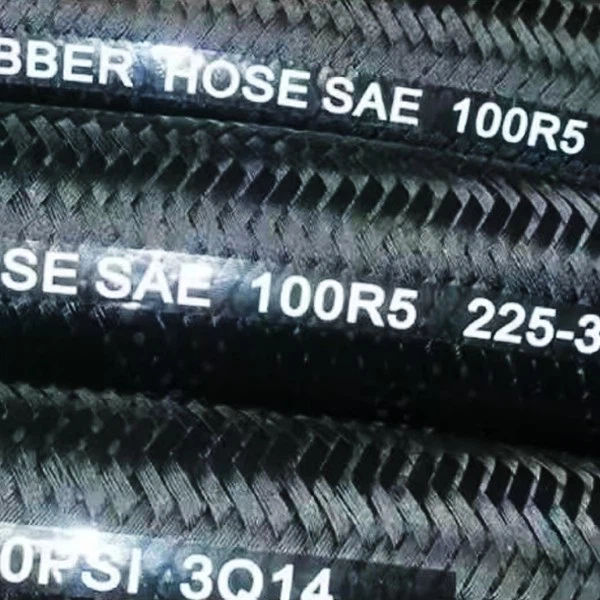
When comparing SAE100R1AT with other hydraulic hoses such as Hydraulic Rubber Hose Sae100 R17, Sae100 R5, and Hydraulic Rubber Hose Sae100 R16 in high - radiation environments, SAE100R1AT has its unique advantages.
The single - braid structure of SAE100R1AT makes it relatively more flexible compared to some multi - braid hoses. In high - radiation environments where the materials tend to harden, this initial flexibility can be an advantage as it allows for a longer period of normal operation before the reduced flexibility becomes a major issue.
However, compared to some hoses with more advanced radiation - resistant materials, SAE100R1AT may require more frequent inspections and maintenance in high - radiation environments. The other hoses may have better long - term performance in terms of radiation resistance, but their higher cost may make SAE100R1AT a more attractive option for some applications where the radiation exposure is relatively low or the budget is limited.
Conclusion
In conclusion, the performance of SAE100R1AT in a high - radiation environment is a complex issue. While radiation can cause significant degradation of its materials and performance over time, with proper mitigation strategies, it can still be a reliable choice for many applications. As a supplier, we are committed to continuously improving the radiation resistance of our SAE100R1AT hoses to meet the ever - increasing demands of our clients in high - radiation environments.
If you are in need of hydraulic hoses, especially for applications in high - radiation environments, we invite you to reach out for a detailed discussion on how our SAE100R1AT can meet your specific requirements. Our team of experts is ready to guide you through the selection process and provide you with the best possible solutions.
References
- ASTM International. (20XX). Standards related to hydraulic hoses.
- National Institute of Standards and Technology. (20XX). Research on material degradation in high - radiation environments.
- Industry reports on hydraulic hose applications in nuclear and aerospace industries.