

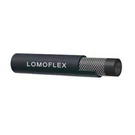
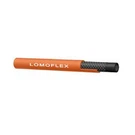


In the world of industrial equipment, questions often pop up about the suitability of certain products for specific environments. As a long - time LPG hose supplier, one query I get quite frequently is whether an LPG hose can be used in a chemical - exposed area. Today, I'm going to break it down for you.
Firstly, let's understand what LPG hoses are. Lpg Hose are designed to safely transfer liquefied petroleum gas (LPG) from one place to another. They're made to withstand the pressure and properties of LPG. Usually, they're constructed using materials like synthetic rubber, which has good resistance to LPG and provides a certain level of flexibility and durability.
Now, when it comes to chemical - exposed areas, things get a bit more complicated. Chemical - exposed areas can have a wide range of substances present, from mild solvents to highly corrosive acids and alkalis. The key issue here is the compatibility of the LPG hose material with these chemicals.
Most LPG hoses are formulated to resist the effects of LPG, which is a hydrocarbon - based fuel. But hydrocarbons and other chemicals can have very different chemical properties. For example, strong oxidizing agents can react with the rubber in the hose, causing it to break down. This breakdown can lead to leaks, which are not only a waste of product but also a serious safety hazard.
Let's take a look at the common materials used in LPG hoses. Synthetic rubbers like nitrile rubber are often used because they have decent resistance to oils and fuels. However, nitrile rubber may not hold up well against some chemicals. If it's exposed to strong acids or certain solvents, the rubber can swell, lose its strength, or even dissolve over time.
Another factor to consider is temperature. Chemical - exposed areas can sometimes have extreme temperatures, either hot or cold. LPG hoses are designed to work within a specific temperature range. If the temperature in a chemical - exposed area goes beyond this range, it can affect the performance of the hose. For instance, in very cold temperatures, the rubber can become brittle and more likely to crack, while in high - temperature situations, the rubber may soften and lose its shape.
But it's not all doom and gloom. There are cases where an LPG hose might work in a chemical - exposed area. If the chemicals present are relatively mild and have been tested to be compatible with the hose material, then it could be a viable option. For example, some mild detergents or non - reactive hydrocarbons might not cause significant damage to the hose.
However, before using an LPG hose in a chemical - exposed area, it's crucial to do a compatibility test. You need to know exactly what chemicals are present in the area and test the hose material against them. This can help you avoid potential disasters down the line.
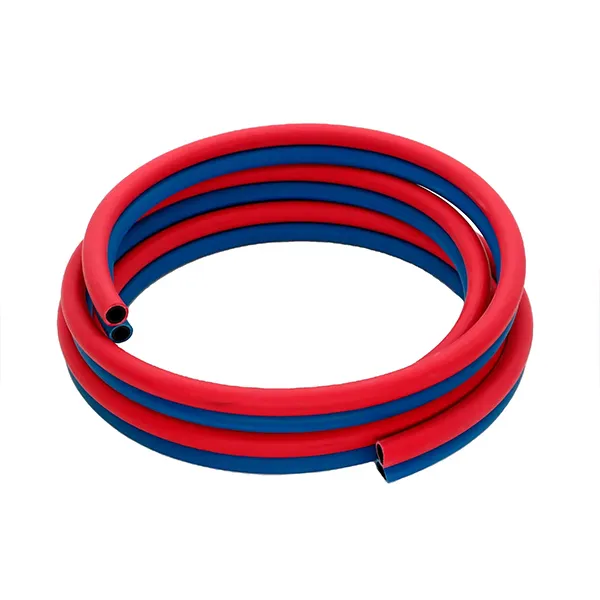
If the chemicals are too harsh for an LPG hose, there are other options available. For example, Rubber Air Hose might be a better choice in some situations. These hoses are designed to handle air and can sometimes have better resistance to certain chemicals. Another option is Twin Welding Hose, which is built to withstand the rigors of welding environments and may also have better chemical resistance in some cases.
As an LPG hose supplier, I've seen firsthand the consequences of using the wrong hose in a chemical - exposed area. I've had customers who thought they could get away with using an LPG hose without proper testing, only to end up with costly leaks and safety issues. That's why I always stress the importance of doing your due diligence.
If you're in a situation where you're considering using an LPG hose in a chemical - exposed area, don't hesitate to reach out. We have a team of experts who can help you determine if an LPG hose is the right fit for your specific environment. We can also provide guidance on compatibility testing and other alternatives if needed.
In conclusion, while it's possible for an LPG hose to be used in a chemical - exposed area under certain circumstances, it's not a decision to be taken lightly. You need to understand the chemicals involved, test the hose material, and consider other options if necessary. Safety should always be your top priority, and using the right equipment is a big part of that.

If you're interested in learning more about our LPG hoses or need help in choosing the right hose for your application, feel free to contact us. We're here to make sure you get the best product for your needs and keep your operations running smoothly.
References
- Industrial Hose Handbook: A Comprehensive Guide to Hose Selection and Application
- Rubber and Plastics in Industrial Applications: Properties and Compatibility Studies