

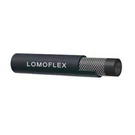
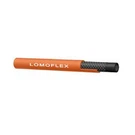


Hey there! As a hydraulic hose supplier, I get this question a lot: "Can I repair a damaged hydraulic hose myself?" Well, let's dive right into it and find out if it's a DIY job or if you should call in the pros.
First off, let's understand what a hydraulic hose is and why it's so important. Hydraulic hoses are like the arteries of a hydraulic system. They carry high - pressure fluid from one part of the system to another, making sure everything runs smoothly. When a hose gets damaged, it can lead to all sorts of problems, from leaks to system failures.
So, can you repair it yourself? It depends on a few factors.
Assessing the Damage
The first step is to figure out how bad the damage is. Minor abrasions or small cuts on the outer cover might be okay to fix on your own. But if the inner tube is damaged, or if there's a significant tear, you're probably better off getting a new hose.
A small cut on the outer cover can sometimes be patched up. You can use a hose repair sleeve or a special tape designed for hydraulic hoses. But you gotta be careful. If the damage is near a fitting, it's trickier because you need to make sure the repair doesn't interfere with the connection.
For example, if you notice a small abrasion on a SAE100R1AT hose, you might be able to use a sleeve. But if the cut goes deeper and you can see the inner layers, that's a red flag.
Tools and Skills
Repairing a hydraulic hose requires some specific tools. You'll need a hose cutter to cut the damaged section cleanly. A crimper is also essential if you're replacing the fittings. And you need to know how to use these tools correctly.
If you've never used a crimper before, it's not as simple as it sounds. You have to make sure the crimp is the right size and strength. Too loose, and the fitting might come off under pressure. Too tight, and you could damage the hose.
Also, you need to have a basic understanding of hydraulic systems. You should know how to properly bleed the system after the repair to get rid of any air bubbles. If there are air bubbles in the system, it can cause erratic operation and even damage other components.
Safety First
Hydraulic systems operate at high pressures. Even a small leak can cause serious injury. When you're working on a damaged hose, you need to make sure the system is depressurized. This means shutting off the power source and releasing the pressure in the lines.
You also need to wear the right safety gear, like gloves and eye protection. Hydraulic fluid can be harmful if it gets on your skin or in your eyes.
When to Call a Pro
If you're not confident in your skills or if the damage is extensive, it's best to call a professional. A professional hydraulic hose repair service has the experience and the right equipment to do the job safely and correctly.
They can also test the repaired hose to make sure it meets the required standards. And if they find that the hose is beyond repair, they can quickly source a new one.
Our Products to the Rescue
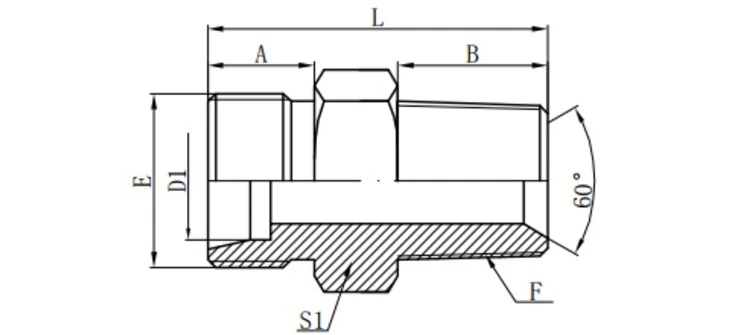
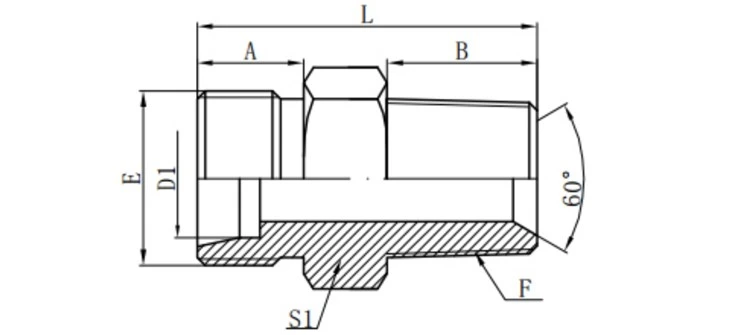
As a hydraulic hose supplier, we've got a wide range of products that can help you in case of a hose issue. Our 1CT / 1DT METRIC MALE /BSPT MALE HYDRAULIC ADAPTER is a great option if you need to connect different types of hoses or components. It's made of high - quality materials and is designed to withstand high pressures.
The 1C / 1D Metric Male 24° Union is another excellent product. It provides a secure and leak - free connection, which is crucial in a hydraulic system.
And of course, our SAE100R1AT hoses are known for their durability and performance. If you need to replace a damaged hose, this is a great choice.
Contact Us for Your Hydraulic Hose Needs
Whether you're thinking of doing a DIY repair or need a professional solution, we're here to help. We can provide you with all the products and advice you need. If you're not sure which hose or fitting is right for your system, just reach out to us.
We have a team of experts who can guide you through the selection process. And if you're in the market for bulk orders, we can offer you competitive prices.
So, if you're facing a hydraulic hose issue, don't hesitate to get in touch. Let's work together to keep your hydraulic systems running smoothly.
References
- "Hydraulic Systems Handbook" - A comprehensive guide on hydraulic systems and their components.
- Manufacturer's manuals for hydraulic hoses and fittings, which provide detailed information on installation, repair, and maintenance.