



Can textile braid hose be repaired? This is a question that I, as a supplier of textile braid hoses, often encounter from our clients. In this blog post, I'll delve into the topic to provide you with a comprehensive understanding of whether textile braid hoses can be repaired, the factors involved, and the recommended practices.
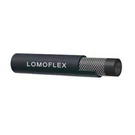
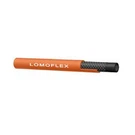
Textile braid hoses are widely used in various industries, including hydraulics, pneumatics, and general fluid transfer applications. They are known for their flexibility, relatively lightweight, and cost - effectiveness. The construction of a textile braid hose typically consists of an inner tube, one or more layers of textile braid reinforcement, and an outer cover. The inner tube is responsible for containing the fluid, while the textile braid provides strength and pressure resistance, and the outer cover protects the hose from external factors such as abrasion, chemicals, and environmental conditions.
Factors Affecting the Repairability of Textile Braid Hoses
Before determining whether a textile braid hose can be repaired, several factors need to be considered:
-
Damage Location and Severity
The location and extent of the damage play a crucial role in deciding whether repair is feasible. Minor abrasions or cuts on the outer cover may be repairable, especially if the underlying textile braid and inner tube are intact. In such cases, a simple patch or outer cover replacement might be sufficient. However, if the damage extends to the textile braid or inner tube, the situation becomes more complicated. For example, a significant cut that penetrates through the textile braid can compromise the hose's pressure - bearing capacity, making repair more challenging and less reliable. -
Type of Fluid and Operating Conditions
The type of fluid being conveyed through the hose and the operating conditions also impact repairability. If the hose is used in a high - pressure hydraulic system or is transporting corrosive fluids, any repair must be able to withstand these demanding conditions. A repair that is adequate for a low - pressure, non - corrosive application may not be suitable for a high - stress environment. For instance, in a hydraulic system operating at high pressures (e.g., above 3000 psi), a minor repair may not hold up, and it is often safer to replace the entire hose. -
Hose Age and Overall Condition
The age of the hose and its overall condition are important factors. An older hose that has been in service for a long time may have experienced wear and tear throughout its structure, even if the visible damage seems minor. In such cases, repair may only provide a temporary solution, and it might be more cost - effective and safer to replace the hose entirely. Additionally, if the hose has been exposed to extreme temperatures, UV radiation, or other harsh environmental factors, its internal structure may have degraded, reducing the effectiveness of a repair.
Repair Methods for Textile Braid Hoses
When it comes to repairing textile braid hoses, there are a few common methods:
-
Outer Cover Repair
If the damage is limited to the outer cover, a patch can be applied. The damaged area is first cleaned and roughened to ensure good adhesion. A suitable patch material, which is often made of a similar rubber or polymer as the outer cover, is then glued to the damaged area using a specialized adhesive. This method is relatively simple and can be done on - site in some cases. However, it is only suitable for minor damage and does not address issues with the inner tube or textile braid. -
Reinforcement and Inner Tube Repair
In cases where the textile braid or inner tube is damaged, more complex repair methods are required. One approach is to cut out the damaged section and splice in a new piece of hose. This involves carefully aligning the textile braid layers and ensuring a proper seal between the inner tube and the new section. Specialized tools and techniques are needed to ensure a strong and reliable repair. Another option is to use a repair sleeve, which is a pre - fabricated tube that can be slipped over the damaged area and secured in place. The sleeve provides additional reinforcement and can help to restore the hose's integrity.
Limitations of Repairing Textile Braid Hoses
While textile braid hoses can sometimes be repaired, there are limitations to what can be achieved.
-
Pressure Rating and Safety
Repairs may not always restore the hose to its original pressure rating. Even if a repair appears to be successful, there is a risk that the repaired area may be weaker than the rest of the hose, especially under high - pressure conditions. This can pose a safety hazard, as a sudden failure of the hose can result in fluid leaks, equipment damage, or even injury to personnel. Therefore, it is crucial to carefully assess the pressure requirements of the application before deciding to repair a hose. -
Compatibility and Long - Term Reliability
The compatibility of repair materials with the hose's existing components is also a concern. Using the wrong adhesive or patch material can lead to chemical reactions or degradation over time, reducing the long - term reliability of the repair. Additionally, even with a successful repair, the repaired hose may have a shorter lifespan compared to a new one, especially if it has already experienced significant wear or damage.
Guidelines for Repair or Replacement
Based on the above factors, here are some general guidelines for deciding whether to repair or replace a textile braid hose:
- Minor Damage: If the damage is minor, limited to the outer cover, and the hose is used in a low - pressure, non - critical application, repair may be a viable option. However, it is still important to monitor the hose closely after the repair.
- Major Damage or Critical Applications: In cases of major damage, especially if the textile braid or inner tube is compromised, or if the hose is used in a high - pressure, critical application, replacement is usually the best choice. This ensures the safety and reliability of the system.
Our Offerings as a Textile Braid Hose Supplier
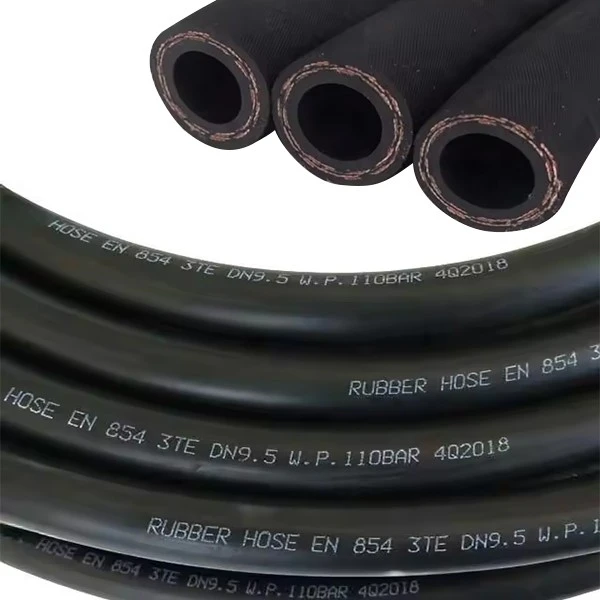
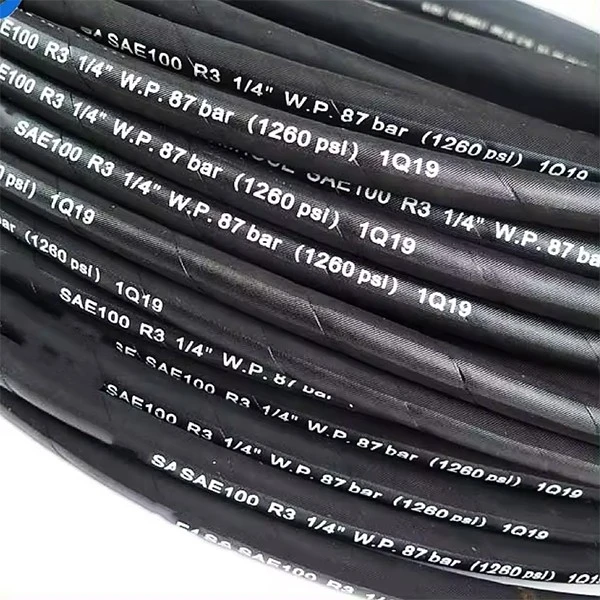
At our company, we offer a wide range of high - quality textile braid hoses, such as Din En854 1te Or Sae 100 R6 and Din En854 3te Or Sae 100 R3. Our hoses are designed to meet the highest industry standards and are suitable for a variety of applications.
If you are facing a decision about whether to repair or replace a textile braid hose, our team of experts is here to assist you. We can provide technical advice, assess the damage, and recommend the best course of action. Whether you need a repair solution or a new hose, we have the knowledge and resources to meet your needs.
We understand that the reliability of your hydraulic or fluid transfer systems is crucial, and we are committed to providing you with the best products and services. If you are interested in learning more about our textile braid hoses or need help with a repair or replacement decision, please reach out to us. We look forward to discussing your requirements and helping you find the most suitable solution for your application.
References
- Industrial Hydraulic Hose Handbook, various industry - leading hydraulic equipment manufacturers.
- International standards such as DIN and SAE related to textile braid hoses.