



As a proud supplier of wire spiral hoses, I've witnessed firsthand the essential role these hoses play in a multitude of industries. From heavy machinery to automotive applications, wire spiral hoses are the unsung heroes that ensure the smooth flow of hydraulic fluids and other critical substances. However, like any high - performance component, they require regular maintenance to guarantee their longevity and optimal performance. In this blog, I'll delve into the necessary maintenance procedures for wire spiral hoses, sharing insights that will help you get the most out of these vital components.
Visual Inspection
The first and most basic maintenance step is a thorough visual inspection. This should be carried out regularly, ideally before each use or at least once a week for hoses in continuous operation. Start by looking for any signs of external damage, such as cuts, abrasions, or bulges. Cuts can expose the inner layers of the hose, leading to fluid leakage and potential failure. Abrasions, if left unchecked, can gradually wear down the outer cover, making the hose more vulnerable to environmental factors and mechanical stress. Bulges are often an indication of internal damage, such as a weakened reinforcement layer, and should be taken seriously.
Inspect the hose connections as well. Look for loose fittings, signs of corrosion, or any leakage around the joints. Loose fittings can cause pressure drops and fluid loss, while corrosion can weaken the connection and lead to premature failure. If you notice any fluid leakage, it's crucial to address the issue immediately to prevent further damage.
Pressure Testing
Periodic pressure testing is another important maintenance procedure for wire spiral hoses. This test helps to ensure that the hose can withstand the operating pressures without any signs of failure. It's recommended to perform pressure testing at least once a year, or more frequently if the hose is subjected to high - stress conditions.
To conduct a pressure test, you'll need a pressure testing device that is capable of accurately measuring the pressure within the hose. First, isolate the hose from the system and connect it to the testing device. Gradually increase the pressure to the recommended test pressure, which is usually higher than the normal operating pressure. Hold the pressure for a specified period, typically around 5 - 10 minutes, and observe for any signs of leakage or deformation. If the hose passes the pressure test, it's a good indication that it's in good condition. However, if there are any issues, the hose should be replaced immediately.
Cleaning and Lubrication
Keeping wire spiral hoses clean is essential for their proper functioning. Dirt, debris, and other contaminants can accumulate on the outer surface of the hose over time, which can lead to abrasion and corrosion. Regularly clean the hoses using a mild detergent and a soft brush. Avoid using harsh chemicals or abrasive materials, as these can damage the outer cover of the hose.
In addition to cleaning, lubrication of the hose fittings is also important. Lubrication helps to reduce friction between the fittings and the hose, making it easier to connect and disconnect them. It also helps to prevent corrosion and leaks at the connections. Use a suitable lubricant that is compatible with the hose material and the fluid being transported. Apply the lubricant sparingly to the threads of the fittings before making the connection.
Temperature and Environmental Considerations
Wire spiral hoses are designed to operate within a specific temperature range. Exposing the hoses to temperatures outside this range can cause the material to degrade, leading to reduced flexibility and increased brittleness. It's important to monitor the operating temperature of the hoses and take appropriate measures to ensure that they stay within the recommended range.
In addition to temperature, environmental factors such as sunlight, moisture, and chemicals can also have a significant impact on the lifespan of wire spiral hoses. If the hoses are exposed to sunlight for extended periods, consider using protective covers to prevent UV damage. Moisture can cause corrosion of the metal components, so it's important to keep the hoses dry. If the hoses are in contact with chemicals, make sure that the hose material is compatible with the chemicals to avoid chemical degradation.
Hose Replacement
Even with proper maintenance, wire spiral hoses will eventually reach the end of their lifespan. It's important to know when to replace the hoses to prevent unexpected failures. Some signs that indicate it's time to replace the hose include excessive wear, multiple cuts or abrasions, bulges, and persistent leakage.
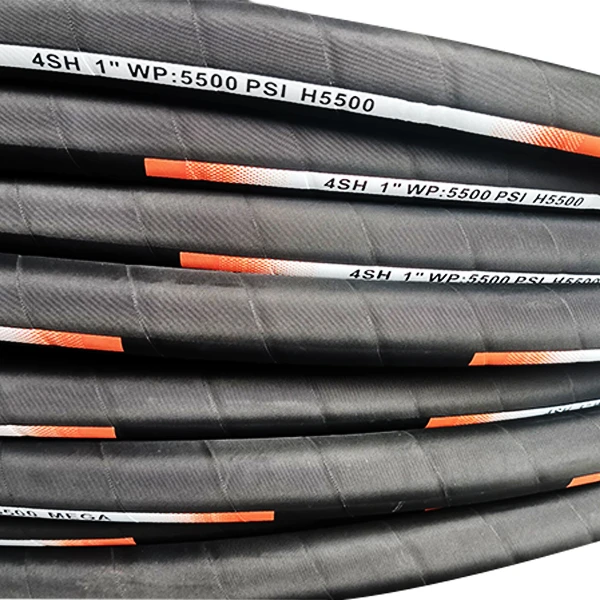
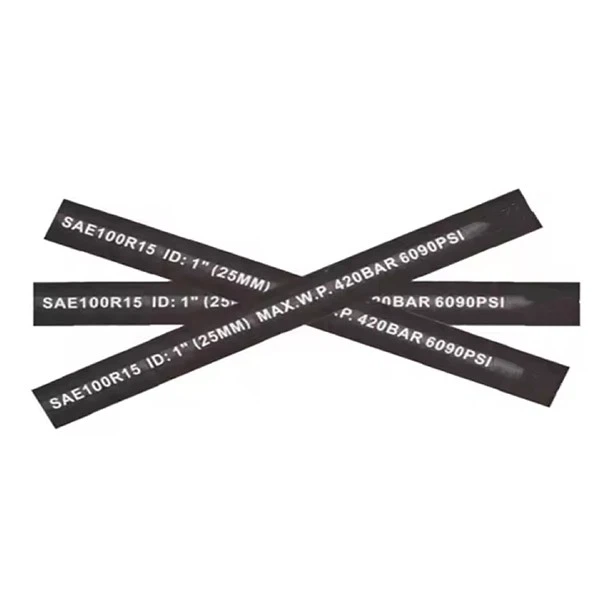
When replacing a wire spiral hose, it's important to choose the right hose for the application. Consider factors such as the operating pressure, temperature, fluid compatibility, and the size of the hose. At our company, we offer a wide range of wire spiral hoses, including Sae100 R15, Sae100 R13, and Din En856 4sh, which are designed to meet the highest standards of quality and performance.
Training and Documentation
Proper maintenance of wire spiral hoses also requires trained personnel. Make sure that your employees are trained on the correct maintenance procedures, including visual inspection, pressure testing, cleaning, and lubrication. Training can help to prevent costly mistakes and ensure that the hoses are maintained properly.
In addition to training, it's also important to keep detailed documentation of the maintenance activities. This documentation can include records of visual inspections, pressure test results, cleaning schedules, and hose replacements. Having this information on hand can help you to track the maintenance history of the hoses and make informed decisions about future maintenance and replacement.
Conclusion
Maintaining wire spiral hoses is a critical task that requires attention to detail and a commitment to following the proper procedures. By conducting regular visual inspections, performing pressure tests, keeping the hoses clean and lubricated, considering temperature and environmental factors, knowing when to replace the hoses, providing employee training, and keeping detailed documentation, you can ensure the longevity and optimal performance of your wire spiral hoses.
If you're in the market for high - quality wire spiral hoses or need more information on their maintenance, we're here to help. Our team of experts is dedicated to providing you with the best products and services. Contact us to start a procurement discussion and let us help you find the perfect wire spiral hoses for your needs.
References
- "Hydraulic Hose Handbook", Industry Standard Publication
- "Maintenance Guidelines for Fluid Power Systems", Research Institute Report
- "Best Practices in Hose Maintenance", Professional Journal Article