



Hey there! As a supplier of oxygen acetylene hoses, I often get asked if these hoses can be used in a food - processing environment. It's a valid question, and in this blog, I'll break down the ins and outs of this topic.
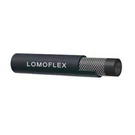
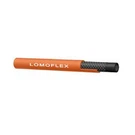
First off, let's talk about what an oxygen acetylene hose is. An Oxygen Acetylene Hose is designed for use in welding and cutting operations. It's built to handle high - pressure oxygen and acetylene gases. These hoses are typically made of rubber or a rubber - like material, reinforced with multiple layers to ensure they can withstand the pressure and the rigors of industrial use.
Now, when it comes to the food - processing environment, there are some strict regulations and requirements. The main concern in food processing is contamination. Food products need to be kept free from any substances that could be harmful to human health. This includes chemicals, heavy metals, and even microorganisms.
One of the biggest issues with using an oxygen acetylene hose in a food - processing environment is the potential for chemical leaching. The rubber materials used in these hoses may contain additives, such as plasticizers, antioxidants, and vulcanizing agents. Over time, these additives can leach out of the rubber and into the surrounding environment. If this happens in a food - processing area, there's a risk that these chemicals could contaminate the food products.


Another problem is the risk of gas leakage. Oxygen and acetylene are highly flammable gases. In a food - processing environment, there are often sources of ignition, such as electrical equipment or open flames from cooking processes. A gas leak from an oxygen acetylene hose could lead to a fire or explosion, which would not only be dangerous for the workers but also for the food products and the entire facility.
Moreover, food - processing environments require hoses that are easy to clean and sanitize. Oxygen acetylene hoses are not designed with this in mind. Their construction and the materials used may make it difficult to remove dirt, debris, and microorganisms effectively. This could lead to the growth of bacteria and other pathogens, which is a major no - no in the food industry.
However, there are some cases where you might think an oxygen acetylene hose could be used. For example, if you're using a torch for some minor maintenance work in a food - processing facility. But even in these situations, extreme caution must be taken. You need to ensure that the hose is properly maintained, and there are no signs of wear or damage. Also, you should isolate the area where the work is being done to prevent any potential contamination.
If you're in the food - processing industry and need hoses for other purposes, like moving air or handling LPG, there are more suitable options available. For air handling, you can check out Rubber Air Hose. These hoses are designed to handle air flow and are often made with materials that are more food - safe and easier to clean.
If you're dealing with LPG, an Lpg Hose is a better choice. These hoses are specifically engineered to handle the properties of LPG, including its flammability and chemical characteristics. They are also built to meet the safety standards required in industrial and commercial settings.
So, in conclusion, while it might seem tempting to use an oxygen acetylene hose in a food - processing environment, it's generally not a good idea. The risks of contamination, gas leakage, and difficulty in cleaning far outweigh any potential benefits. It's always better to use hoses that are specifically designed for the food - processing industry.
If you're looking for the right hoses for your food - processing needs or any other industrial applications, I'm here to help. I've got a wide range of hoses that meet the highest safety and quality standards. Whether you need a rubber air hose, an LPG hose, or something else, I can provide you with the best solutions.
Don't hesitate to reach out if you have any questions or if you're interested in purchasing hoses. I'm more than happy to have a chat and discuss your requirements. Let's work together to find the perfect hoses for your business.
References
- General knowledge of industrial hoses and food - processing regulations.
- Industry standards and guidelines for hose manufacturing and use in different environments.