



What is the water resistance of SAE100 R5?
As a trusted supplier of Sae100 R5, I am often asked about its water resistance. In the world of hydraulic hoses, understanding a product's properties and performance capabilities is crucial, especially when considering its application in various environments.
Understanding SAE100 R5
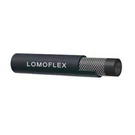
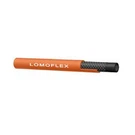
Before delving into the water resistance, let's first understand what SAE100 R5 is. SAE100 R5 is a type of hydraulic hose that is designed for medium-pressure applications. It is typically constructed with an inner tube, reinforcement layer, and cover. The inner tube is usually made of synthetic rubber, which provides a smooth surface for the fluid to flow through and also offers some level of chemical resistance. The reinforcement layer, often consisting of textile braid, gives the hose its strength and pressure-bearing capacity. The cover, on the other hand, protects the inner components from external factors such as abrasion, moisture, and sunlight.
Water Resistance Mechanisms
The water resistance of SAE100 R5 primarily depends on its construction materials and design. The inner tube, as mentioned earlier, is made of synthetic rubber. This rubber is formulated to be resistant to a wide range of fluids, including water. The molecular structure of the rubber prevents water molecules from easily penetrating through it, thus protecting the internal components of the hose from water damage.
The cover of the SAE100 R5 hose also plays a significant role in its water resistance. The cover is usually made of a durable and weather-resistant material, such as synthetic rubber or thermoplastic. This material forms a protective barrier against water, preventing it from reaching the inner layers of the hose. Additionally, the cover may have a smooth surface, which helps to shed water and reduce the likelihood of water pooling on the hose.
Testing and Certification
To ensure the water resistance of SAE100 R5, rigorous testing is conducted during the manufacturing process. These tests involve exposing the hose to various water conditions, such as immersion in water for a specific period of time or subjecting it to high-pressure water sprays. The hose is then inspected for any signs of water damage, such as swelling, delamination, or corrosion of the reinforcement layer.
Certifications are also an important aspect of demonstrating the water resistance of SAE100 R5. Industry standards, such as those set by the Society of Automotive Engineers (SAE), provide guidelines and requirements for the performance and quality of hydraulic hoses. Hoses that meet these standards have been tested and proven to have acceptable levels of water resistance and other important properties.
Comparison with Other Types of Hoses
When compared to other types of hydraulic hoses, such as Sae100 R2at and Din En853 1sn, SAE100 R5 has its own unique water resistance characteristics.
Sae100 R2at is a high-pressure hydraulic hose that is commonly used in applications where higher pressures are required. It typically has a different construction and reinforcement layer compared to SAE100 R5. While Sae100 R2at also has good water resistance, its design may be more focused on withstanding high pressures, which could potentially affect its water resistance capabilities in some cases.
Din En853 1sn is a European standard for wire-braid hydraulic hoses. Similar to SAE100 R5, it is designed for medium-pressure applications. However, the materials and construction techniques used in Din En853 1sn may vary slightly from those in SAE100 R5, which could result in differences in water resistance.
Applications and Considerations
The water resistance of SAE100 R5 makes it suitable for a variety of applications where exposure to water is a concern. Some common applications include:
- Marine applications: In boats and ships, hydraulic systems are often exposed to water. SAE100 R5 hoses can be used in these applications to ensure reliable performance and prevent water damage.
- Agricultural applications: Equipment such as tractors and irrigation systems may be exposed to water and moisture. SAE100 R5 hoses are a good choice for these applications due to their water resistance.
- Construction applications: In construction sites, hydraulic hoses may be exposed to rain, mud, and other wet conditions. Using SAE100 R5 hoses can help to prevent water damage and ensure the proper functioning of the equipment.
However, it is important to note that while SAE100 R5 has good water resistance, it is not completely immune to the effects of water. In extreme conditions, such as prolonged immersion in water or exposure to highly corrosive water, additional protective measures may be required.
Maintenance and Care
To maintain the water resistance of SAE100 R5 hoses over time, proper maintenance and care are essential. This includes:


- Regular inspection: Inspect the hoses for any signs of damage, such as cuts, cracks, or swelling. If any damage is found, the hose should be replaced immediately.
- Cleaning: Keep the hoses clean by wiping them down regularly with a damp cloth. This helps to remove any dirt, debris, or moisture that may accumulate on the surface.
- Storage: When not in use, store the hoses in a dry and cool place. Avoid exposing them to direct sunlight or extreme temperatures, as this can degrade the materials and reduce the water resistance.
Conclusion
In conclusion, the water resistance of SAE100 R5 is a result of its carefully designed construction and high-quality materials. The synthetic rubber inner tube and durable cover provide effective protection against water, making it suitable for a wide range of applications where exposure to water is a concern. However, proper maintenance and care are necessary to ensure the long-term performance and durability of the hoses.
If you are in need of high-quality SAE100 R5 hoses with excellent water resistance, we are here to help. Our team of experts can provide you with the right solutions for your specific needs. Contact us today to discuss your procurement requirements and let's start a business relationship that will benefit both parties.
References
- Society of Automotive Engineers (SAE) standards for hydraulic hoses.
- Manufacturer's technical documentation for SAE100 R5, Sae100 R2at, and Din En853 1sn hoses.
- Industry research on the performance and properties of hydraulic hoses.