





Maintaining a wire spiral hose is crucial for ensuring its optimal performance and longevity, especially in demanding industrial and hydraulic applications. As a reputable wire spiral hose supplier, I understand the importance of proper maintenance and am here to share some valuable insights on how to keep your wire spiral hoses in top - notch condition.
Understanding Wire Spiral Hoses
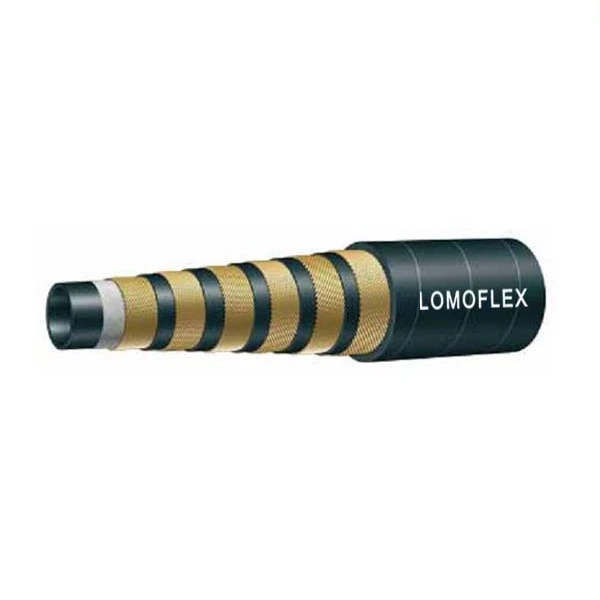
Wire spiral hoses are designed to handle high - pressure fluid transfer in various industries such as construction, agriculture, and manufacturing. They consist of an inner tube, multiple layers of wire reinforcement spiraled around the tube, and an outer cover. The wire reinforcement provides strength and flexibility, allowing the hose to withstand high pressures without bursting.
There are different types of wire spiral hoses, such as Sae100 R12, Sae100 R15, and Sae100 R13. Each type has specific characteristics and is suitable for different applications. For example, Sae100 R12 is commonly used in general hydraulic systems, while Sae100 R15 is designed for high - impulse applications.
Regular Inspection
One of the most important aspects of maintaining a wire spiral hose is regular inspection. Visual inspection should be carried out frequently to detect any signs of wear, damage, or leakage. Check the outer cover for cuts, abrasions, blisters, or bulges. These could indicate that the hose is being exposed to excessive friction, heat, or pressure.
Inspect the fittings at both ends of the hose. Look for signs of corrosion, loose connections, or damage to the sealing surfaces. A loose fitting can cause leakage, which not only wastes fluid but also poses a safety hazard. If you notice any damage to the fittings, they should be replaced immediately.
Examine the inner tube for signs of swelling, cracking, or degradation. This can be more difficult to detect without specialized equipment, but if you suspect a problem, it may be necessary to cut a small section of the hose for closer inspection.
Proper Installation
Proper installation is the foundation of good hose maintenance. When installing a wire spiral hose, make sure to follow the manufacturer's guidelines carefully. Incorrect installation can lead to premature failure of the hose.
Ensure that the hose is the correct length for the application. A hose that is too short will be under excessive stress, while a hose that is too long may kink or rub against other components. Use the appropriate fittings for the hose and ensure that they are tightened to the correct torque specification.
Avoid sharp bends in the hose. Bending the hose at an angle greater than the recommended radius can cause damage to the wire reinforcement and the inner tube. Use hose clamps and supports to keep the hose in place and prevent it from moving or vibrating excessively.
Environmental Considerations
The environment in which the wire spiral hose operates can have a significant impact on its lifespan. Exposure to extreme temperatures, chemicals, and UV radiation can all cause damage to the hose.
If the hose is exposed to high temperatures, make sure to use a hose that is rated for the specific temperature range. Insulate the hose if necessary to protect it from heat sources. In cold environments, use hoses that are designed to remain flexible at low temperatures to prevent cracking.
Chemicals can also degrade the hose material. Make sure to choose a hose that is compatible with the fluids it will be carrying. If the hose is exposed to chemicals, clean it regularly to remove any residue that could cause damage.

UV radiation can cause the outer cover of the hose to crack and deteriorate. If the hose is used outdoors, consider using a hose with a UV - resistant outer cover or protect the hose with a shield.
Fluid Compatibility
Using the correct fluid in the wire spiral hose is essential for its proper functioning and longevity. Different hoses are designed to be compatible with specific types of fluids, such as hydraulic oil, water, or chemicals.
Before using a new hose, check the manufacturer's specifications to ensure that it is compatible with the fluid. Using an incompatible fluid can cause the inner tube to swell, crack, or degrade, leading to leakage and failure of the hose.
Maintain the quality of the fluid. Contaminated fluid can contain particles that can abrasion the inner tube and damage the wire reinforcement. Use filters to remove contaminants from the fluid and change the fluid at regular intervals according to the manufacturer's recommendations.
Pressure Management
Wire spiral hoses are designed to operate within a specific pressure range. Exceeding the maximum pressure rating can cause the hose to burst, which is extremely dangerous.
Monitor the pressure in the system regularly using a pressure gauge. Make sure that the pressure does not exceed the rated pressure of the hose. If the pressure fluctuates frequently, consider using a pressure - relief valve to protect the hose.
Avoid sudden pressure spikes in the system. Rapid changes in pressure can cause damage to the hose, especially if the hose is not designed to handle high - impulse applications. Use dampeners or accumulators to smooth out pressure fluctuations.
Storage
Proper storage of wire spiral hoses when they are not in use is also important for maintaining their quality. Store the hoses in a cool, dry place away from direct sunlight and heat sources.
Coil the hoses loosely to prevent kinking. Do not stack heavy objects on top of the hoses, as this can cause damage to the wire reinforcement. If possible, store the hoses in a protective container or cover to prevent dust and debris from accumulating on them.
Training and Education
Finally, it is important to provide training and education to the personnel who handle and maintain the wire spiral hoses. Make sure that they understand the importance of proper maintenance and know how to perform inspections, installations, and repairs correctly.
Regular training sessions can help to keep the staff updated on the latest maintenance techniques and safety procedures. Encourage them to report any problems or concerns with the hoses immediately so that they can be addressed promptly.
Conclusion
Maintaining a wire spiral hose requires a combination of regular inspection, proper installation, environmental protection, fluid compatibility, pressure management, and proper storage. By following these guidelines, you can extend the lifespan of your wire spiral hoses and ensure their reliable performance.
As a wire spiral hose supplier, I am committed to providing high - quality hoses and offering support to our customers in maintaining them. If you have any questions about wire spiral hose maintenance or if you are looking to purchase new hoses, please feel free to contact us for further discussion and procurement. We are here to help you find the best solutions for your specific needs.
References
- Manufacturer's manuals for wire spiral hoses
- Industry standards for hydraulic hoses
- Technical papers on hose maintenance and safety