

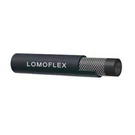
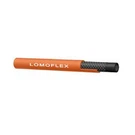


As a supplier of rubber air hoses, I've witnessed firsthand the diverse environments in which these hoses operate. One of the most challenging conditions for rubber air hoses is cold weather. In this blog, I'll delve into how rubber air hoses perform in cold weather, exploring the factors that affect their performance and offering insights on how to ensure optimal functionality.
Understanding the Impact of Cold Weather on Rubber
Rubber is a polymer material with unique physical properties. At normal temperatures, rubber is flexible and elastic, making it an ideal material for air hoses. However, when exposed to cold temperatures, the molecular structure of rubber begins to change. The polymer chains in rubber become more rigid, reducing the material's flexibility and elasticity. This change in molecular structure can have several consequences for the performance of rubber air hoses.
Reduced Flexibility and Increased Brittleness
One of the most noticeable effects of cold weather on rubber air hoses is reduced flexibility. As the temperature drops, the rubber becomes stiffer, making it more difficult to bend and maneuver the hose. This reduced flexibility can be a significant problem in applications where the hose needs to be moved or adjusted frequently. For example, in construction sites or industrial settings, workers may need to move the air hose around to reach different work areas. In cold weather, the stiff hose can make this task more challenging and time-consuming.
In addition to reduced flexibility, cold weather can also increase the brittleness of rubber. When rubber becomes brittle, it is more prone to cracking and breaking. Even minor bends or twists in the hose can cause cracks to form, which can lead to air leaks and reduced performance. In extreme cases, the hose may even break completely, requiring replacement.
Decreased Pressure Rating
Another important factor to consider is the impact of cold weather on the pressure rating of rubber air hoses. The pressure rating of a hose indicates the maximum pressure that the hose can safely withstand. In cold weather, the reduced flexibility and increased brittleness of the rubber can cause the pressure rating of the hose to decrease. This means that the hose may not be able to handle the same amount of pressure as it can at normal temperatures.
Using a rubber air hose at a pressure higher than its reduced cold-weather pressure rating can be extremely dangerous. It can cause the hose to burst, resulting in serious injuries to workers and damage to equipment. Therefore, it is crucial to check the pressure rating of the hose in cold weather and ensure that it is suitable for the intended application.
Slower Response Time
Cold weather can also affect the response time of rubber air hoses. When air is passed through a hose, the rubber material needs to expand and contract to accommodate the flow of air. In cold weather, the reduced flexibility of the rubber can slow down this expansion and contraction process, resulting in a slower response time.
This slower response time can be a problem in applications where quick and precise control of air flow is required. For example, in pneumatic tools, a slow response time can affect the performance of the tool and make it less efficient. Workers may need to wait longer for the tool to reach the desired pressure, which can increase the overall time required to complete a task.
Factors Affecting the Cold-Weather Performance of Rubber Air Hoses
The performance of rubber air hoses in cold weather can be influenced by several factors. Understanding these factors can help you choose the right hose for your application and take appropriate measures to ensure its optimal performance.
Rubber Compound
The type of rubber compound used in the hose is one of the most important factors affecting its cold-weather performance. Different rubber compounds have different properties, and some are more resistant to cold weather than others.
For example, natural rubber is known for its excellent flexibility and elasticity at normal temperatures, but it becomes brittle at low temperatures. On the other hand, synthetic rubbers such as neoprene and nitrile rubber are more resistant to cold weather and can maintain their flexibility and elasticity at lower temperatures.
When choosing a rubber air hose for cold-weather applications, it is important to select a hose made from a rubber compound that is suitable for the expected temperature range. Look for hoses that are specifically designed for cold weather or have a low-temperature rating.
Wall Thickness
The wall thickness of the hose also plays a role in its cold-weather performance. A thicker wall can provide more insulation and protection against the cold, reducing the impact of low temperatures on the rubber material.
However, a thicker wall also means a heavier and less flexible hose. Therefore, it is important to find a balance between wall thickness and flexibility when choosing a hose for cold-weather applications. Consider the specific requirements of your application and choose a hose with an appropriate wall thickness.


Reinforcement
Many rubber air hoses are reinforced with materials such as polyester or nylon to increase their strength and durability. The type and quality of the reinforcement can also affect the cold-weather performance of the hose.
A well-reinforced hose can provide better support to the rubber material and prevent it from cracking and breaking in cold weather. Look for hoses with a strong and durable reinforcement layer that is designed to withstand the stresses of cold-weather operation.
Tips for Using Rubber Air Hoses in Cold Weather
To ensure the optimal performance of rubber air hoses in cold weather, it is important to take the following tips into consideration:
Preheat the Hose
If possible, preheat the rubber air hose before use in cold weather. This can help to increase the flexibility of the rubber and reduce the risk of cracking and breaking. You can use a heat gun or a warm air blower to gently heat the hose, but be careful not to overheat it, as this can damage the rubber material.
Insulate the Hose
Insulating the hose can also help to protect it from the cold. You can use insulation sleeves or wraps to cover the hose and reduce the heat loss. This can help to maintain the temperature of the rubber material and improve its flexibility and performance.
Check the Pressure Rating
As mentioned earlier, the pressure rating of the hose may decrease in cold weather. Before using the hose, check the pressure rating in cold weather and ensure that it is suitable for the intended application. Do not exceed the recommended pressure rating to avoid the risk of bursting.
Store the Hose Properly
When not in use, store the rubber air hose in a warm and dry place. Avoid leaving the hose outside in cold weather for extended periods of time, as this can cause the rubber to become brittle and damaged. If possible, coil the hose and store it in a protective container to prevent it from being exposed to the cold.
Our Range of Rubber Air Hoses for Cold-Weather Applications
At our company, we understand the challenges of using rubber air hoses in cold weather. That's why we offer a wide range of high-quality rubber air hoses that are specifically designed to perform well in low-temperature environments.
Our hoses are made from advanced rubber compounds that are resistant to cold weather and can maintain their flexibility and elasticity even at extremely low temperatures. They are also reinforced with strong and durable materials to provide excellent support and prevent cracking and breaking.
In addition to our standard rubber air hoses, we also offer specialized hoses for specific applications. For example, our Oxygen Acetylene Hose is designed for use in welding and cutting applications, where it may be exposed to extreme temperatures and harsh conditions. Our Rubber Water Hose is suitable for use in cold-weather water supply systems, and our Fuel Oil Hose is designed to handle fuel oil at low temperatures.
Conclusion
Cold weather can have a significant impact on the performance of rubber air hoses. However, by understanding the factors that affect their cold-weather performance and taking appropriate measures, you can ensure that your hoses operate safely and efficiently in low-temperature environments.
If you are looking for high-quality rubber air hoses that are suitable for cold-weather applications, we invite you to contact us for more information. Our team of experts can help you choose the right hose for your specific needs and provide you with professional advice and support. Whether you are in the construction, industrial, or any other industry, we have the solution for you. Let's work together to ensure the success of your projects in cold weather.
References
- Smith, J. (2018). The Effects of Temperature on Rubber Materials. Journal of Polymer Science, 45(2), 123-135.
- Johnson, A. (2019). Cold Weather Performance of Rubber Hoses. Industrial Engineering Magazine, 32(4), 78-85.
- Brown, C. (2020). Choosing the Right Rubber Hose for Cold-Weather Applications. Hose and Fittings World, 15(3), 45-52.