

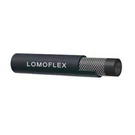
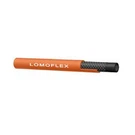


Hey there! As a supplier of oxygen acetylene hoses, I've seen my fair share of issues with low gas flow. It can be a real headache, but don't worry – I'm here to help you troubleshoot this problem. In this blog, I'll walk you through the steps to identify and fix low gas flow in your oxygen acetylene hoses.
First Things First: Check the Basics
Before you start digging into the more complex issues, it's always a good idea to check the basics. Here are some things you should look at:
1. Gas Supply
Make sure that your gas cylinders have enough gas. It might sound obvious, but sometimes we overlook the simplest things. Check the pressure gauges on your oxygen and acetylene cylinders. If the pressure is low, it could be that the cylinder is almost empty. If so, you'll need to replace it with a full one.
2. Hose Connections
Inspect all the connections between the hoses, regulators, and cylinders. Loose connections can cause gas leaks, which will result in low gas flow. Tighten any loose fittings using a wrench, but be careful not to over - tighten them as this can damage the fittings.
3. Regulator Settings
The regulators on your oxygen and acetylene cylinders control the flow of gas. Check that the regulators are set to the correct pressure. If the settings are too low, you'll experience low gas flow. Refer to your equipment's manual for the recommended pressure settings.
Look for Blockages
Blockages in the hoses are a common cause of low gas flow. Here's how you can check for and clear them:
1. Hose Inspection
Visually inspect the hoses for any signs of damage, kinks, or blockages. A kinked hose can restrict the flow of gas. If you find a kink, gently straighten the hose out. Also, look for any debris or foreign objects that might be blocking the hose. Sometimes, small particles can get into the hose during installation or use.
2. Blowing Out the Hoses
If you suspect a blockage, you can try blowing out the hoses. First, disconnect the hoses from the regulators and cylinders. Then, use compressed air to blow through the hoses. This can help dislodge any debris that might be causing the blockage. However, make sure you use a safe source of compressed air and follow all safety procedures.
3. Filter Checks
Many oxygen acetylene hoses have filters installed to prevent debris from entering the system. Check these filters to see if they are clogged. If they are, clean or replace them as necessary. A clogged filter can significantly reduce gas flow.
Check for Leaks
Gas leaks can also lead to low gas flow. Here are some ways to detect and fix leaks:
1. Soapy Water Test
One of the simplest ways to check for leaks is to use a soapy water solution. Mix some dish soap with water in a spray bottle. Then, spray the solution on all the connections and fittings of the hoses, regulators, and cylinders. If there are any leaks, you'll see bubbles forming at the leak site. Once you've identified the leak, tighten the fitting or replace any damaged parts.
2. Leak Detector
You can also use a commercial gas leak detector. These devices are more sensitive than the soapy water test and can detect even small leaks. Follow the manufacturer's instructions when using a leak detector.
3. Hose Integrity
Check the hoses themselves for any signs of wear and tear. Cracks or holes in the hoses can cause gas leaks. If you find any damage to the hoses, replace them immediately. You can find high - quality replacement hoses like our Oxygen Acetylene Hose.
Consider the Environment
The environment in which you're using the oxygen acetylene hoses can also affect gas flow. Here's what to keep in mind:
1. Temperature
Extreme temperatures can impact the performance of the hoses and the gas flow. In cold weather, the gas may contract, reducing the flow. If you're working in cold conditions, try to keep the hoses and cylinders warm. On the other hand, in hot weather, the hoses may expand, which can also cause issues. Make sure the hoses are properly secured and protected from direct sunlight.
2. Humidity
High humidity can cause moisture to build up inside the hoses. This moisture can freeze in cold temperatures or cause corrosion in the fittings. If you suspect moisture in the hoses, you can try using a desiccant to absorb the moisture.
Other Related Hoses
If you're in need of other types of industrial hoses, we also offer Lpg Hose and Rubber Air Hose. These hoses are designed for different applications but follow similar troubleshooting principles.
Conclusion
Troubleshooting low gas flow in oxygen acetylene hoses can be a bit of a process, but by following these steps, you should be able to identify and fix the problem. Remember to always prioritize safety when working with gas hoses. If you're still having trouble after trying these steps, or if you're unsure about any part of the troubleshooting process, don't hesitate to reach out.


We're here to help you with all your oxygen acetylene hose needs. Whether you need a new hose, replacement parts, or just some advice, we're the experts in the field. Contact us to start a conversation about your requirements and let's see how we can work together to keep your operations running smoothly.
References
- Welding Equipment Manuals
- Industrial Hose Safety Guidelines