

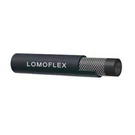
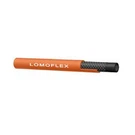


Flammability is a crucial safety consideration when it comes to industrial hoses, especially suction and discharge hoses. As a supplier of these essential components, understanding the flammability rating of suction and discharge hoses is not only important for ensuring the safety of operations but also for compliance with industry standards. In this blog post, we will explore what the flammability rating of suction and discharge hoses means, how it is determined, and why it matters in various applications.
What is Flammability Rating?
Flammability rating is a standardized measure that indicates how easily a material will ignite and burn. For suction and discharge hoses, this rating helps users assess the risk of fire in environments where the hoses are used. Different industries have specific requirements for flammability ratings based on the nature of the substances being transferred and the operating conditions.
The flammability rating of a hose is typically determined through a series of tests conducted in accordance with recognized standards. These tests evaluate factors such as ignition time, flame spread rate, and the amount of heat released during combustion. Based on the results of these tests, hoses are assigned a flammability rating that reflects their fire - safety characteristics.


Factors Affecting Flammability
Several factors can influence the flammability of suction and discharge hoses. The material used in the construction of the hose is perhaps the most significant factor. Common materials for these hoses include rubber, PVC, and thermoplastics, each with its own flammability properties.
- Rubber Hoses: Natural rubber is relatively flammable and can burn quickly when exposed to an open flame. However, synthetic rubbers, such as neoprene, are often used in hoses because they have better fire - resistant properties. Neoprene hoses are self - extinguishing, meaning they will stop burning once the ignition source is removed.
- PVC Hoses: Polyvinyl chloride (PVC) is a widely used material in hose manufacturing. PVC has a relatively high oxygen index, which means it requires a higher concentration of oxygen to burn. This makes PVC hoses less flammable compared to some other materials. However, when PVC burns, it can release toxic gases, such as hydrogen chloride, which is a significant safety concern.
- Thermoplastic Hoses: Thermoplastics are a diverse group of materials with varying flammability characteristics. Some thermoplastics, like polyurethane, can be highly flammable, while others, such as polypropylene, have better fire - resistant properties.
In addition to the material, the thickness of the hose wall, the presence of additives, and the overall design of the hose can also affect its flammability. For example, hoses with a thicker wall may be more resistant to ignition and flame spread. Additives, such as flame retardants, can be incorporated into the hose material to improve its fire - safety performance.
Industry Standards for Flammability Rating
There are several international and national standards that govern the flammability rating of industrial hoses. These standards ensure that hoses meet minimum safety requirements and are suitable for use in different applications.
- UL 94: The Underwriters Laboratories (UL) 94 standard is widely used to evaluate the flammability of plastics and other materials. It classifies materials into different categories based on their burning behavior, such as V - 0, V - 1, and V - 2. A V - 0 rating indicates that the material is highly fire - resistant and will stop burning within a short time after the ignition source is removed.
- ASTM D635: The American Society for Testing and Materials (ASTM) D635 standard is used to measure the rate of burning and/or extent and time of burning of self - supporting plastics in a horizontal position. This test provides valuable information about the flammability characteristics of hose materials.
- ISO 340: The International Organization for Standardization (ISO) 340 standard specifies a method for determining the burning behavior of rubber and plastics. It measures the rate of flame spread and the time to extinguish the flame, which are important factors in assessing the flammability of hoses.
Importance of Flammability Rating in Different Applications
The flammability rating of suction and discharge hoses is of utmost importance in various industries, especially those where the risk of fire is high.
- Oil and Gas Industry: In the oil and gas industry, suction and discharge hoses are used to transfer flammable liquids, such as crude oil and gasoline. Hoses with a high flammability rating can pose a significant fire hazard, especially in environments where there are potential ignition sources, such as welding operations or electrical equipment. Therefore, hoses used in this industry must meet strict fire - safety standards to prevent accidents.
- Chemical Industry: The chemical industry deals with a wide range of hazardous substances, some of which are highly flammable. Suction and discharge hoses used in chemical transfer applications must be able to withstand the corrosive effects of the chemicals while also having a suitable flammability rating. This ensures the safety of workers and the integrity of the chemical transfer process.
- Marine Industry: On ships and offshore platforms, suction and discharge hoses are used for various purposes, including fuel transfer and ballast water management. The confined spaces and potential for ignition sources on board make it essential to use hoses with a low flammability rating. This helps prevent fires that could have catastrophic consequences for the vessel and its crew.
Our Product Offerings
As a supplier of suction and discharge hoses, we offer a wide range of products with different flammability ratings to meet the diverse needs of our customers. Our Suction and Discharge Water Hose is designed for use in water transfer applications. It is made from high - quality materials that are resistant to abrasion and have a relatively low flammability rating, ensuring safe operation in various environments.
For applications involving the transfer of oil and other flammable liquids, we offer Suction and Discharge Oil Hose. These hoses are constructed with materials that have excellent chemical resistance and are designed to meet the strict fire - safety requirements of the oil and gas industry.
Conclusion
The flammability rating of suction and discharge hoses is a critical factor that should not be overlooked. It plays a vital role in ensuring the safety of industrial operations and compliance with industry standards. By understanding the factors that affect flammability, the relevant industry standards, and the importance of flammability rating in different applications, customers can make informed decisions when selecting hoses for their specific needs.
If you are in the market for high - quality suction and discharge hoses with appropriate flammability ratings, we invite you to contact us for more information and to discuss your specific requirements. Our team of experts is ready to assist you in finding the right hose solutions for your applications.
References
- Underwriters Laboratories. (n.d.). UL 94 Standard for Safety for Flammability of Plastic Materials for Parts in Devices and Appliances.
- American Society for Testing and Materials. (n.d.). ASTM D635 Standard Test Method for Rate of Burning and/or Extent and Time of Burning of Self - Supporting Plastics in a Horizontal Position.
- International Organization for Standardization. (n.d.). ISO 340 Rubber, vulcanized or thermoplastic — Determination of burning behaviour.