



Hey there! As a supplier of suction and discharge hoses, I've been getting a lot of questions lately about the static electricity property of these hoses. So, I thought I'd take a moment to break it down for you and explain why it's such an important factor to consider.
First off, let's talk about what static electricity is. Static electricity is the build - up of electric charge on the surface of an object. This can happen when two materials come into contact and then separate, causing electrons to transfer from one material to the other. In the context of suction and discharge hoses, static electricity can be generated when the fluid (like water or oil) flows through the hose. The friction between the fluid and the inner wall of the hose can cause a charge to build up.
Now, you might be wondering why this is a big deal. Well, static electricity can pose some serious risks. In some industries, especially those dealing with flammable liquids like oil, a static spark can ignite the vapors, leading to fires or explosions. That's why understanding the static electricity property of suction and discharge hoses is crucial for safety.
There are a few key factors that affect the static electricity build - up in suction and discharge hoses. One of the main factors is the material of the hose. Different materials have different electrical conductivity properties. For example, rubber hoses can vary in their ability to conduct electricity. Some rubber compounds are more insulating, which means they are more likely to allow static charge to build up. On the other hand, hoses made with conductive materials can help to dissipate the static charge more effectively.
The type of fluid being transported also plays a role. Fluids with high conductivity, like water, are less likely to cause significant static build - up compared to non - conductive fluids such as oil. When water flows through a hose, the charge can be more easily distributed and dissipated. But when it comes to oil, the lack of conductivity means that static charge can accumulate quickly.
The flow rate of the fluid is another important factor. A higher flow rate generally means more friction between the fluid and the hose wall, which can lead to increased static electricity generation. So, if you're dealing with a high - flow application, you need to be extra cautious about static build - up.
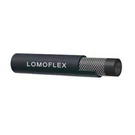
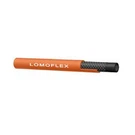
As a supplier, we offer a range of suction and discharge hoses designed to address these static electricity concerns. Our Suction and Discharge Water Hose is engineered to handle water flow efficiently while minimizing static build - up. The materials used in these hoses are carefully selected to ensure good electrical conductivity and durability.
For those in the oil industry, our Suction and Discharge Oil Hose is a great option. These hoses are built with special conductive layers that help to dissipate static charge safely. This reduces the risk of static - related incidents and provides peace of mind for our customers.
We also understand that every application is unique, and that's why we work closely with our customers to recommend the right hose for their specific needs. Whether you're dealing with a small - scale operation or a large industrial project, we have the expertise to help you choose the hose that will perform best and keep your workplace safe.
If you're looking for a reliable suction and discharge hose that takes static electricity into account, you've come to the right place. Our team is always ready to answer your questions and provide you with detailed information about our products. We can also offer advice on installation, maintenance, and safety procedures to ensure that you get the most out of your hose.
So, if you're in the market for a suction and discharge hose and want to learn more about how we can help you manage static electricity, don't hesitate to reach out. Contact us today to start a conversation about your requirements, and let's work together to find the perfect solution for your business.
References:


- Textbooks on fluid mechanics and electrical properties of materials
- Industry standards and guidelines related to static electricity in hoses