

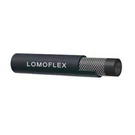
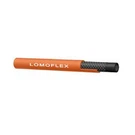


Is it possible to use a suction and discharge water hose for water desalination plants? This is a question that has piqued the interest of many in the water treatment industry. As a supplier of Suction and Discharge Water Hose, I've delved deep into this topic to provide you with comprehensive insights.
Understanding Water Desalination Plants
Water desalination plants are crucial in regions where freshwater is scarce. These facilities remove salt and other impurities from seawater or brackish water, making it suitable for human consumption, agriculture, and industrial use. The desalination process typically involves reverse osmosis, distillation, or electrodialysis. Each method has its own set of requirements, but all rely on a reliable system to transport water in and out of the plant.
The Role of Suction and Discharge Water Hoses
Suction and discharge water hoses are designed to transfer water efficiently from one point to another. They are commonly used in various applications, including irrigation, construction, and firefighting. But can they be used in the demanding environment of water desalination plants?
Advantages of Using Suction and Discharge Water Hoses
- Flexibility: These hoses are highly flexible, allowing for easy installation in tight spaces and around obstacles. This flexibility is especially useful in desalination plants, where space may be limited.
- Corrosion Resistance: High - quality suction and discharge water hoses are made from materials that are resistant to corrosion. Since seawater is highly corrosive, this property is essential to ensure the longevity of the hoses in a desalination plant.
- Ease of Maintenance: Compared to rigid piping systems, hoses are easier to inspect, repair, and replace. This can reduce downtime and maintenance costs in a desalination plant.
Challenges in Using Suction and Discharge Water Hoses
- Pressure Requirements: Desalination plants often operate at high pressures, especially in reverse osmosis systems. Suction and discharge water hoses need to be able to withstand these pressures without bursting or leaking.
- Chemical Compatibility: The water in desalination plants may contain various chemicals used in the treatment process. Hoses must be chemically compatible with these substances to prevent degradation.
- Filtration and Contamination: To ensure the quality of the desalinated water, hoses should not introduce contaminants. They need to be designed with proper filtration mechanisms or be made from materials that do not leach harmful substances into the water.
Material Considerations
The choice of material for suction and discharge water hoses is critical when considering their use in water desalination plants.
Rubber Hoses
Rubber hoses are a popular choice due to their flexibility and corrosion resistance. EPDM (Ethylene Propylene Diene Monomer) rubber is often used in applications involving water and chemicals. It has good resistance to UV rays, ozone, and a wide range of chemicals, making it suitable for seawater applications.


PVC Hoses
PVC (Polyvinyl Chloride) hoses are lightweight and cost - effective. They are resistant to many chemicals and have good abrasion resistance. However, they may not be as flexible as rubber hoses and may have limitations in high - pressure applications.
Reinforced Hoses
To meet the high - pressure requirements of desalination plants, reinforced hoses are often used. These hoses have a layer of reinforcement, such as polyester or steel wire, which increases their strength and pressure - bearing capacity.
Case Studies
There have been several successful implementations of suction and discharge water hoses in water desalination plants. In a small - scale desalination plant in a coastal community, rubber hoses were used to transfer seawater from the intake to the treatment unit. The flexibility of the hoses allowed for easy installation in a compact space, and their corrosion resistance ensured a long service life.
In a large - scale industrial desalination plant, reinforced PVC hoses were used for the discharge of desalinated water. These hoses were able to withstand the high - pressure requirements of the system and provided a cost - effective solution for water transfer.
Comparing with Suction and Discharge Oil Hoses
It's important to note the difference between Suction and Discharge Water Hose and Suction and Discharge Oil Hose. Oil hoses are designed to handle the unique properties of oil, such as its viscosity and flammability. They are made from materials that are resistant to oil degradation. In contrast, water hoses are optimized for water transfer, with a focus on corrosion resistance and chemical compatibility with water - based substances. Using an oil hose in a water desalination plant would not be appropriate as it may not meet the specific requirements for water quality and pressure.
Future Outlook
As the demand for desalinated water continues to grow, the role of suction and discharge water hoses in water desalination plants is likely to expand. Manufacturers are constantly innovating to develop hoses that can better meet the challenges of high - pressure, chemical - rich environments. Future hoses may incorporate advanced materials and filtration technologies to improve performance and water quality.
Conclusion
In conclusion, it is indeed possible to use suction and discharge water hoses in water desalination plants. However, careful consideration must be given to factors such as pressure requirements, chemical compatibility, and material selection. With the right choice of hoses, desalination plants can benefit from the flexibility, corrosion resistance, and ease of maintenance that these hoses offer.
If you are involved in a water desalination project or are looking for reliable suction and discharge water hoses for other applications, I encourage you to reach out for a detailed discussion on how our products can meet your specific needs. Let's start a conversation about your requirements and explore the best solutions together.
References
- "Desalination Technology and Its Energy Consumption" - Journal of Water Resources and Protection
- "Materials for Hoses in Chemical and Industrial Applications" - International Journal of Materials Science