



Hey there! As a supplier of SAE100 R5 hydraulic hoses, I've been getting a lot of questions about its impact resistance. So, I thought I'd dive deep into this topic and share everything I know.
First off, let's talk about what SAE100 R5 is. It's a type of hydraulic hose that's commonly used in various industrial applications. It's designed to handle hydraulic fluid and is built to withstand certain pressures and environmental conditions. But when it comes to impact resistance, there are a few factors we need to consider.
Construction and Materials
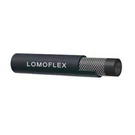
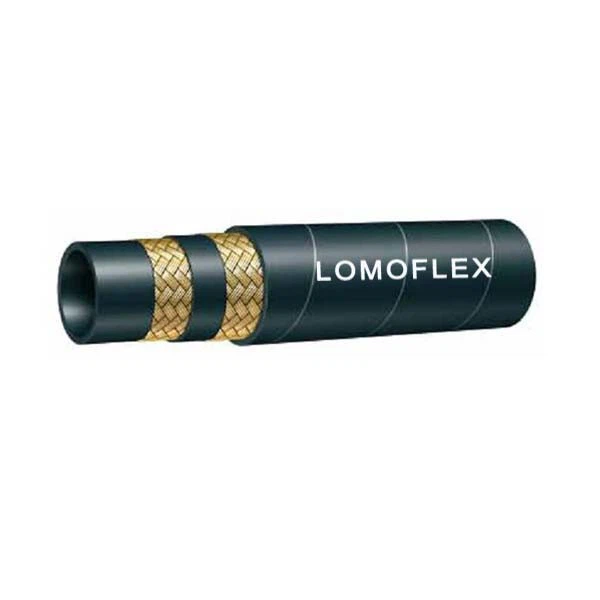
The construction of SAE100 R5 plays a huge role in its impact resistance. Typically, it consists of an inner tube, reinforcement layers, and an outer cover. The inner tube is usually made of synthetic rubber, which is resistant to the hydraulic fluid it carries. The reinforcement layers are often made of textile braids or wire braids, depending on the specific requirements of the hose. These layers provide strength and help the hose maintain its shape under pressure.
The outer cover is another important component. It's usually made of a durable rubber compound that protects the inner layers from abrasion, weathering, and impact. A high - quality outer cover can significantly enhance the hose's ability to withstand impacts. For example, if the outer cover is tough and flexible, it can absorb the energy from an impact and prevent it from reaching the inner layers, which could cause damage.
Testing the Impact Resistance
To determine the impact resistance of SAE100 R5, manufacturers conduct various tests. One common test is the drop test. In this test, a weight is dropped onto the hose from a certain height. The height and weight are determined based on industry standards. If the hose can withstand the impact without any visible damage or loss of performance, it passes the test.
Another test is the impact fatigue test. In this test, the hose is subjected to repeated impacts over a period of time. This simulates real - world conditions where the hose might be bumped or hit multiple times during its use. By measuring the hose's performance before and after the test, manufacturers can determine how well it can resist impact fatigue.
Real - World Applications
In real - world applications, the impact resistance of SAE100 R5 is crucial. For example, in construction equipment, hydraulic hoses are often exposed to rough handling and potential impacts from tools, debris, or other equipment. If a hose can't withstand these impacts, it could rupture, leading to hydraulic fluid leaks. This not only causes downtime for the equipment but can also be a safety hazard.
In agricultural machinery, hoses are also at risk of being hit by branches, rocks, or other objects in the field. A hose with good impact resistance can ensure the reliable operation of the machinery and reduce the need for frequent replacements.

Comparing with Other Hoses
When it comes to impact resistance, it's interesting to compare SAE100 R5 with other types of hydraulic hoses. For instance, Hydraulic Rubber Hose Sae100 R17 and Hydraulic Rubber Hose Sae100 R16 are also popular choices in the hydraulic industry. These hoses are often used in high - pressure applications and have different construction and performance characteristics.
The Sae100 R2at is another option. It has its own unique features in terms of strength and flexibility. While SAE100 R5 might not have the same high - pressure capabilities as some of these other hoses, it offers a good balance of impact resistance and cost - effectiveness for many applications.
Factors Affecting Impact Resistance
There are several factors that can affect the impact resistance of SAE100 R5. Temperature is one of them. At low temperatures, the rubber materials in the hose can become more brittle, reducing its ability to absorb impact energy. On the other hand, at high temperatures, the rubber can soften, which might also affect its performance under impact.
The age of the hose is another factor. Over time, the rubber materials in the hose can degrade due to exposure to heat, chemicals, and sunlight. This degradation can weaken the hose and make it more susceptible to impacts.
How We Ensure High Impact Resistance
As a supplier of SAE100 R5, we take several steps to ensure that our hoses have high impact resistance. First, we source high - quality materials for the inner tube, reinforcement layers, and outer cover. We work closely with our material suppliers to ensure that the materials meet our strict quality standards.
Second, we have a rigorous manufacturing process. Our production facilities are equipped with state - of - the - art machinery that allows us to produce hoses with consistent quality. We also conduct in - process inspections to ensure that each hose meets our quality requirements before it leaves the factory.
Finally, we perform comprehensive testing on our hoses. In addition to the standard industry tests, we also conduct our own in - house tests to ensure that our hoses can withstand the specific conditions of our customers' applications.
Conclusion
In conclusion, the impact resistance of SAE100 R5 is an important characteristic that makes it suitable for a wide range of industrial applications. Its construction, materials, and manufacturing process all contribute to its ability to withstand impacts. While it might not be the best option for every high - pressure or high - impact situation, it offers a cost - effective solution for many common applications.
If you're in the market for high - quality SAE100 R5 hydraulic hoses, we'd love to hear from you. Whether you have questions about impact resistance or any other aspect of our hoses, feel free to reach out. We're here to help you find the right solution for your needs. Let's start a conversation about your hydraulic hose requirements and see how we can work together.
References
- Industry standards for hydraulic hose testing
- Manufacturer's specifications for SAE100 R5 hoses
- Technical literature on hydraulic hose materials and construction