



What is the Inner Diameter Range of Textile Braid Hose?
As a dedicated supplier of textile braid hoses, I've had the privilege of witnessing firsthand the diverse applications and requirements of these essential components across various industries. One of the most frequently asked questions I encounter is about the inner diameter range of textile braid hoses. In this blog post, I'll delve into this topic, exploring the typical inner diameter ranges, factors influencing these ranges, and how they relate to different applications.
Typical Inner Diameter Ranges
Textile braid hoses come in a wide array of inner diameters to accommodate different flow rates, pressure requirements, and system specifications. Generally, the inner diameter range can span from as small as 1/8 inch (3.2 mm) to as large as 2 inches (50.8 mm). However, it's important to note that this is a broad generalization, and specific products may fall outside of this range depending on the manufacturer and the intended application.
For applications requiring low flow rates and relatively low pressures, such as in some pneumatic systems or small-scale hydraulic circuits, hoses with inner diameters of 1/8 inch (3.2 mm) to 1/4 inch (6.4 mm) are commonly used. These smaller hoses are lightweight, flexible, and easy to install, making them ideal for applications where space is limited or where a high degree of maneuverability is required.
In medium-flow and medium-pressure applications, hoses with inner diameters ranging from 3/8 inch (9.5 mm) to 3/4 inch (19.1 mm) are often the go-to choice. These hoses can handle a greater volume of fluid or gas while still maintaining flexibility and ease of installation. They are commonly used in industrial machinery, agricultural equipment, and automotive applications.
For high-flow and high-pressure applications, such as in heavy-duty hydraulic systems or large-scale industrial processes, hoses with inner diameters of 1 inch (25.4 mm) to 2 inches (50.8 mm) or even larger may be required. These larger hoses are designed to withstand the high pressures and flow rates associated with these applications, but they are also heavier and less flexible than their smaller counterparts.
Factors Influencing Inner Diameter Selection
Several factors influence the selection of the appropriate inner diameter for a textile braid hose. One of the primary factors is the flow rate required by the system. The flow rate is determined by the volume of fluid or gas that needs to be transported through the hose per unit of time. In general, a larger inner diameter will allow for a higher flow rate, but it's important to balance this with other factors such as pressure drop and system efficiency.
Pressure drop is another important consideration when selecting the inner diameter of a hose. As fluid or gas flows through a hose, it encounters resistance, which causes a drop in pressure. The pressure drop is influenced by several factors, including the inner diameter of the hose, the length of the hose, the viscosity of the fluid or gas, and the flow rate. A larger inner diameter will generally result in a lower pressure drop, but it may also increase the cost and weight of the hose.
The type of fluid or gas being transported also plays a role in the selection of the inner diameter. Some fluids or gases may have specific requirements or limitations that need to be considered. For example, fluids with high viscosity may require a larger inner diameter to ensure proper flow, while gases with high pressures may require a hose with a thicker wall and a smaller inner diameter to withstand the pressure.
The operating conditions of the system, such as temperature, pressure, and environmental factors, also need to be taken into account. Hoses that are exposed to high temperatures or harsh chemicals may require special materials or construction to ensure their durability and performance. In addition, the installation environment, such as the presence of sharp edges or moving parts, may also influence the selection of the inner diameter and the type of hose.
Inner Diameter Range in Different Standards
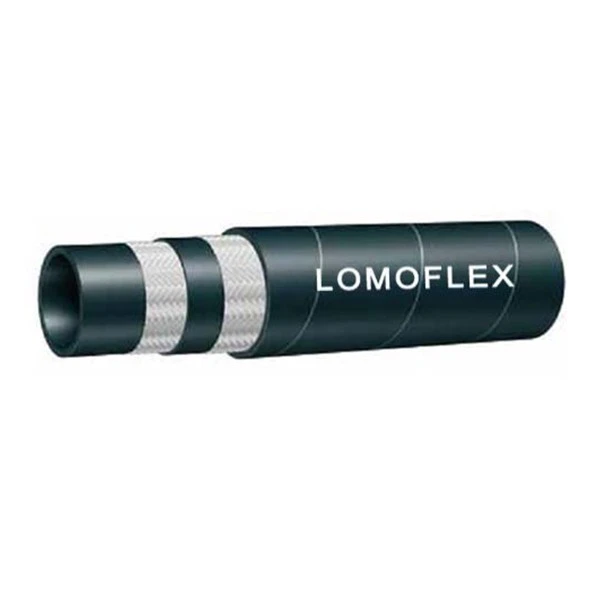
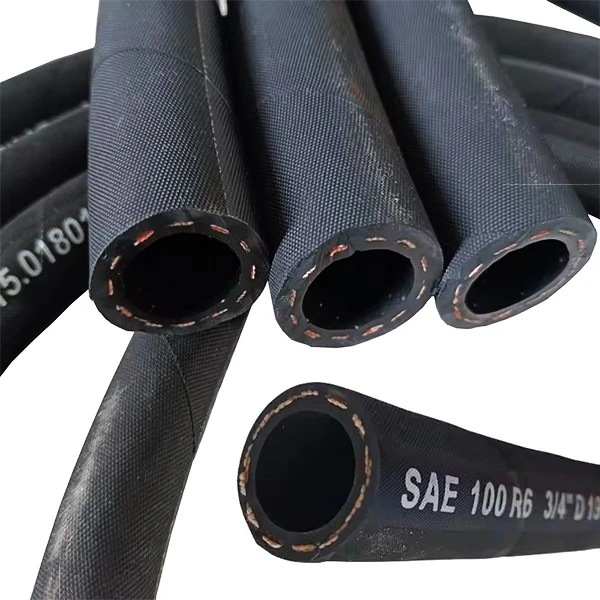
There are several international standards that govern the specifications of textile braid hoses, including Din En854 1te Or Sae 100 R6 and Din En854 3te Or Sae 100 R3. These standards define the requirements for the inner diameter, outer diameter, wall thickness, pressure rating, and other properties of the hoses.
For example, according to the SAE 100 R6 standard, the inner diameter of a textile braid hose can range from 1/4 inch (6.4 mm) to 1 inch (25.4 mm), with corresponding outer diameters and wall thicknesses specified for each size. The pressure rating of the hose is also determined by the inner diameter and other factors, and it can range from a few hundred psi to several thousand psi.
Similarly, the DIN EN 854 1TE standard specifies the inner diameter range for textile braid hoses, along with other requirements such as the material of the inner tube, the reinforcement layer, and the outer cover. Compliance with these standards ensures that the hoses meet the necessary quality and performance requirements for their intended applications.
Applications of Textile Braid Hoses with Different Inner Diameters
Textile braid hoses with different inner diameters are used in a wide variety of applications across various industries. In the automotive industry, small-diameter hoses are commonly used for fuel lines, brake lines, and coolant lines, while medium-diameter hoses are used for power steering and air conditioning systems.
In the industrial machinery sector, textile braid hoses are used for hydraulic systems, pneumatic systems, and lubrication systems. Hoses with larger inner diameters are often used in heavy-duty equipment such as excavators, loaders, and cranes, while smaller-diameter hoses are used in precision machinery and automation systems.
In the agricultural industry, textile braid hoses are used for irrigation systems, spraying systems, and hydraulic systems in tractors and other farm equipment. The inner diameter of the hoses is selected based on the flow rate and pressure requirements of the specific application.
In the construction industry, textile braid hoses are used for concrete pumping, grouting, and other applications where high-pressure fluid transfer is required. Hoses with larger inner diameters are typically used in these applications to handle the high flow rates and pressures.
Conclusion
In conclusion, the inner diameter range of textile braid hoses can vary widely depending on the application, flow rate, pressure requirements, and other factors. Understanding the typical inner diameter ranges and the factors influencing their selection is essential for choosing the right hose for your specific needs.
As a supplier of textile braid hoses, I'm committed to providing high-quality products that meet the diverse requirements of our customers. Whether you need a small-diameter hose for a pneumatic system or a large-diameter hose for a heavy-duty hydraulic application, we have the expertise and the product range to meet your needs.
If you're in the market for textile braid hoses and need assistance in selecting the right inner diameter or have any other questions, please don't hesitate to contact us. We'd be happy to discuss your requirements and help you find the perfect solution for your application.
References
- Hydraulic Hose Handbook, various industry publications
- Standards documents such as SAE 100 R6 and DIN EN 854 1TE