



Hey everyone! As a supplier of SAE100 R5 hydraulic hoses, I've been getting a lot of questions lately about the bending fatigue resistance of this particular hose. So, I thought I'd take some time to break it down and share what I know.
First off, let's talk about what SAE100 R5 is. It's a type of hydraulic hose that's commonly used in medium-pressure hydraulic systems. It's designed to handle a variety of fluids, including petroleum-based hydraulic oils, water-glycol fluids, and synthetic hydraulic fluids. The SAE100 R5 hose is known for its flexibility and durability, which makes it a popular choice for many applications.
Now, let's get into the main topic: bending fatigue resistance. Bending fatigue is a type of failure that occurs when a hose is repeatedly bent and straightened. Over time, this can cause the hose to crack or break, which can lead to leaks and other problems. The bending fatigue resistance of a hose is a measure of how well it can withstand these repeated bends without failing.
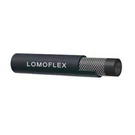
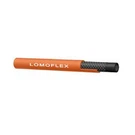
There are several factors that can affect the bending fatigue resistance of an SAE100 R5 hose. One of the most important factors is the hose's construction. The SAE100 R5 hose typically consists of an inner tube, a reinforcement layer, and an outer cover. The inner tube is usually made of synthetic rubber, which is resistant to the fluids that the hose will be carrying. The reinforcement layer is made of braided or spiraled wire, which provides strength and support to the hose. The outer cover is also made of synthetic rubber, which protects the hose from abrasion, weather, and other environmental factors.
The quality of the materials used in the construction of the hose can also have a big impact on its bending fatigue resistance. Higher-quality materials are generally more durable and resistant to fatigue than lower-quality materials. For example, a hose with a thicker reinforcement layer or a stronger outer cover may be more resistant to bending fatigue than a hose with a thinner reinforcement layer or a weaker outer cover.
Another factor that can affect the bending fatigue resistance of an SAE100 R5 hose is the way it is installed and used. If the hose is installed incorrectly or used in a way that puts excessive stress on it, it may be more likely to fail due to bending fatigue. For example, if the hose is bent too sharply or if it is subjected to excessive vibration or movement, it may be more likely to crack or break.
So, how can you ensure that your SAE100 R5 hose has good bending fatigue resistance? Here are some tips:
- Choose a high-quality hose: As I mentioned earlier, the quality of the materials used in the construction of the hose can have a big impact on its bending fatigue resistance. Make sure you choose a hose that is made from high-quality materials and that meets the relevant industry standards.
- Install the hose correctly: Make sure the hose is installed according to the manufacturer's instructions. This includes making sure the hose is not bent too sharply, that it is not subjected to excessive vibration or movement, and that it is properly supported.
- Use the hose within its rated capacity: Make sure you use the hose within its rated pressure, temperature, and flow capacity. Using the hose outside of its rated capacity can put excessive stress on it and increase the risk of failure.
- Inspect the hose regularly: Regularly inspect the hose for signs of wear, damage, or fatigue. If you notice any problems, replace the hose immediately.
In addition to these tips, it's also a good idea to compare the bending fatigue resistance of different types of hydraulic hoses. For example, you may want to compare the bending fatigue resistance of the SAE100 R5 hose with other popular hoses, such as the Din En857 1sc, SAE100R1AT, and Sae100 R2at hoses. By comparing the bending fatigue resistance of different hoses, you can choose the one that is best suited for your specific application.
In conclusion, the bending fatigue resistance of an SAE100 R5 hose is an important factor to consider when choosing a hydraulic hose. By choosing a high-quality hose, installing it correctly, using it within its rated capacity, and inspecting it regularly, you can ensure that your hose has good bending fatigue resistance and that it will perform reliably for a long time.
If you're in the market for an SAE100 R5 hose or if you have any questions about its bending fatigue resistance, please don't hesitate to contact me. I'd be happy to help you choose the right hose for your application and to answer any questions you may have.
References


- Industry standards for hydraulic hoses
- Manufacturer's specifications for SAE100 R5 hoses