

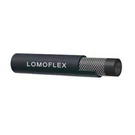
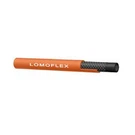


Hey there! I'm a supplier of rubber water hoses, and I often get asked about the moisture absorption rate of these hoses. It's a crucial factor that can impact the performance and lifespan of the hoses, so I thought I'd share some insights on this topic.
First off, let's understand what moisture absorption rate means. In simple terms, it's the amount of water a rubber water hose can absorb over a specific period. This rate can vary depending on several factors, including the type of rubber used, the manufacturing process, and the environmental conditions the hose is exposed to.
Factors Affecting Moisture Absorption Rate
Type of Rubber
There are different types of rubber used in making water hoses, such as natural rubber, synthetic rubber like neoprene, and EPDM (ethylene propylene diene monomer). Each type has its own characteristics when it comes to moisture absorption.
Natural rubber, for example, has a relatively high moisture absorption rate. It can absorb water easily, which might lead to swelling and a decrease in its mechanical properties over time. On the other hand, synthetic rubbers like neoprene and EPDM are known for their better resistance to moisture. They have lower moisture absorption rates, which means they can maintain their shape and performance even when exposed to wet conditions.


Manufacturing Process
The way the rubber water hose is manufactured also plays a role in its moisture absorption rate. If the hose is not properly vulcanized, it might have a higher porosity, allowing more water to penetrate the rubber. A well - manufactured hose with a dense structure will have a lower moisture absorption rate.
Environmental Conditions
The environment where the hose is used is a significant factor. If the hose is constantly exposed to high humidity, rain, or submerged in water, it will absorb more moisture compared to a hose used in a dry environment. Temperature can also affect moisture absorption. Higher temperatures generally increase the rate of moisture absorption as the rubber becomes more permeable.
Measuring the Moisture Absorption Rate
To measure the moisture absorption rate of a rubber water hose, a common method is to take a sample of the hose, weigh it, and then immerse it in water for a specific period, usually 24 hours or more. After the immersion, the sample is removed, dried on the surface, and weighed again. The difference in weight before and after immersion is used to calculate the moisture absorption rate.
The formula for calculating the moisture absorption rate is:
[ Moisture\ Absorption\ Rate (%)=\frac{W_2 - W_1}{W_1}\times100]
Where (W_1) is the initial weight of the sample and (W_2) is the weight of the sample after immersion.
Impact of Moisture Absorption on Rubber Water Hoses
Physical Properties
As mentioned earlier, moisture absorption can cause the rubber to swell. This swelling can lead to changes in the dimensions of the hose, which might affect its fit and connection to other components. For example, if the hose swells too much, it might not fit properly on a nozzle or a coupling, leading to leaks.
Mechanical Properties
Moisture can also degrade the mechanical properties of the rubber. It can reduce the tensile strength and elasticity of the hose, making it more prone to cracking and breaking. A hose with a high moisture absorption rate might have a shorter lifespan and require more frequent replacement.
Chemical Resistance
In some cases, moisture can react with the chemicals in the rubber, causing chemical degradation. This can further weaken the hose and reduce its resistance to other substances it might come into contact with, such as chemicals in the water or cleaning agents.
Choosing the Right Rubber Water Hose Based on Moisture Absorption
If you're in an environment where the hose will be exposed to a lot of moisture, it's important to choose a hose with a low moisture absorption rate. For example, if you're using the hose in a marine environment or for agricultural irrigation where it might be in contact with water for long periods, an EPDM rubber water hose would be a good choice.
On the other hand, if the hose will be used in a relatively dry environment, a natural rubber hose might be sufficient, especially if cost is a major consideration.
Our Product Range
As a rubber water hose supplier, we offer a wide range of hoses to meet different needs. We have hoses made from various types of rubber, each with its own moisture absorption characteristics.
If you're interested in hoses for welding applications, check out our Oxygen Acetylene Hose and Twin Welding Hose. These hoses are designed to withstand the rigors of welding environments and have appropriate moisture resistance.
For general air supply applications, our Rubber Air Hose is a great option. It has good moisture resistance and can maintain its performance over a long time.
Contact Us for Procurement
If you're looking to purchase rubber water hoses and want to know more about their moisture absorption rates and other properties, feel free to reach out to us. We can provide you with detailed information about our products and help you choose the right hose for your specific application. Whether you need a small quantity for a DIY project or a large order for an industrial use, we've got you covered.
References
- ASTM D471 - Standard Test Method for Rubber Property - Effect of Liquids
- "Handbook of Rubber Technology" by Maurice Morton
So, that's all about the moisture absorption rate of rubber water hoses. I hope this information helps you make an informed decision when choosing a hose for your needs.